The Art and Science of Modern Glass Structures for Sustainable Living
In recent years, homeowners, architects, and property developers have increasingly embraced glass-based structures that blend nature, aesthetics, and functionality. These spaces are no longer just luxurious add-ons; they are purposeful environments that enhance lifestyle, promote sustainability, and create a seamless connection between indoor and outdoor living. Among the most sought-after innovations are Greenhouse Conservatory Design and Botanical Glass Houses, both of which redefine how people interact with plants, light, and space.
At the heart of these structures lies a balance between engineering precision and natural harmony. A well-planned Greenhouse Conservatory Design allows occupants to enjoy year-round greenery while maintaining comfort across changing seasons. Advanced glazing, insulation, and ventilation systems help regulate temperature and humidity, ensuring that both plants and people thrive in the same environment. This makes conservatories ideal for homes that value wellness, relaxation, and a closer connection to nature.
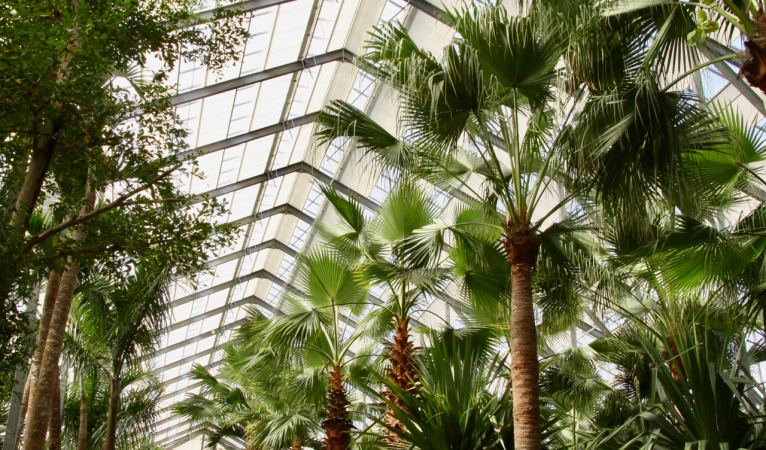
Similarly, Botanical Glass Houses have evolved far beyond traditional plant enclosures. Today, they serve as multifunctional spaces—used for private gardens, educational centers, hospitality venues, and even creative studios. Their transparent architecture maximizes natural light, reduces reliance on artificial illumination, and creates a visually stunning atmosphere that feels open and calming. These structures often become iconic features of a property, enhancing both its aesthetic appeal and market value.
One of the biggest advantages of investing in Greenhouse Conservatory Design is its adaptability. Whether attached to a residential property or standing alone as a garden feature, a conservatory can be tailored to match architectural styles ranging from classic to ultra-modern. Materials such as aluminum, steel, and treated wood provide durability while allowing sleek, minimalist frames that emphasize glass expanses. Thoughtful orientation and shading further optimize sunlight exposure, making the space energy-efficient and comfortable throughout the year.
On a larger scale, Botanical Glass Houses play a crucial role in urban sustainability. In densely populated areas, they act as green lungs, supporting biodiversity and improving air quality. Many cities and institutions now integrate these glass houses into public spaces to promote environmental awareness and conservation. By showcasing diverse plant species in controlled conditions, they also support research, education, and eco-tourism.
Technology has significantly transformed both Greenhouse Conservatory Design and Botanical Glass Houses. Automated climate control systems, smart irrigation, and sensor-based ventilation allow precise environmental management with minimal manual intervention. These innovations not only protect delicate plant species but also reduce water and energy consumption. As sustainability becomes a priority worldwide, such intelligent systems make glass structures more eco-friendly and cost-effective in the long term.
Another key consideration is user experience. A thoughtfully executed Greenhouse Conservatory Design creates a tranquil retreat where people can relax, entertain guests, or simply enjoy natural surroundings regardless of weather conditions. Comfortable seating, integrated lighting, and acoustic planning ensure the space feels like a natural extension of the home rather than a separate enclosure. In contrast, Botanical Glass Houses often focus on immersive experiences, guiding visitors through curated plant landscapes that inspire curiosity and appreciation for nature.
Professional expertise is essential to achieve these outcomes. Companies like Green Conceptors specialize in translating client visions into functional, elegant glass structures. From initial concept development to detailed engineering and installation, expert guidance ensures that every aspect—from structural integrity to aesthetic coherence—is handled with precision. This professional approach minimizes risks, optimizes performance, and guarantees long-term satisfaction.
In conclusion, the growing popularity of Greenhouse Conservatory Design and Botanical Glass Houses reflects a broader shift toward sustainable, nature-inspired living. These structures are more than architectural features; they are investments in well-being, environmental responsibility, and timeless design. With the right planning and professional execution, such as that offered by Green Conceptors, glass-based green spaces can transform properties into inspiring environments where nature and modern living coexist in perfect harmony.