
What Should You Look for in Trusted Later Living Home Builders?
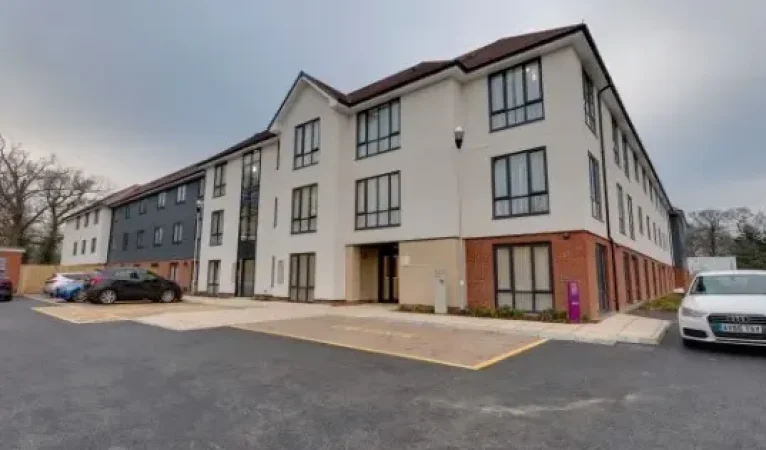
Choosing the right later living home builders is one of the most important decisions when planning high-quality residential spaces for older adults. These developments require a careful balance of comfort, safety, accessibility, and long-term functionality. Reliable builders do not just construct buildings—they design environments that support dignity, independence, and community living.
Trusted Care Home Developers focus on more than just architecture. They consider the evolving needs of residents, including mobility support, healthcare accessibility, and social well-being. When selecting a builder, you should evaluate their experience, portfolio, compliance knowledge, and ability to deliver human-centered design solutions.
A strong builder will also collaborate with healthcare consultants, architects, and families to ensure every detail supports a better quality of life. This collaborative approach ensures that later living spaces remain safe, welcoming, and adaptable for future needs.
What Makes Later Living Home Builders Truly Reliable?
Reliable later living home builders demonstrate consistency in delivering high-quality, purpose-built environments. They use proven construction methods and prioritize durability in every project.
A trustworthy builder focuses on long-term usability rather than short-term cost savings. They select materials that reduce maintenance needs and enhance resident comfort. They also integrate smart layouts that allow easy navigation for elderly residents and caregivers.
Experience is another key factor. Builders who have completed multiple care-focused projects understand the challenges involved in designing safe communal spaces. They anticipate risks and solve design issues before they become problems.
Ultimately, reliability comes from transparency, accountability, and a strong track record of delivering on promises.
Why Does Experience Matter in Care Home Developers?
Experience plays a critical role in the success of Care Home Developers. Developers with years of industry knowledge understand how to create environments that meet both emotional and physical needs.
Experienced developers know how to design spaces that reduce fall risks, improve accessibility, and promote social interaction. They also understand regulatory frameworks and ensure all construction meets national safety and healthcare standards.
When developers lack experience, they may overlook essential details such as corridor widths, lighting requirements, or emergency accessibility systems. These small details significantly impact the safety and comfort of residents.
Experienced teams also bring innovation. They adopt modern technologies such as energy-efficient systems, assistive smart devices, and sustainable materials that improve long-term operational efficiency.
How Do Design and Safety Standards Impact Later Living Homes?
Design and safety standards are the foundation of successful later living environments. Trusted builders prioritize accessibility in every aspect of construction, from entrance ramps to bathroom layouts.
Well-designed homes reduce physical strain for residents and caregivers. Wider hallways, non-slip flooring, and ergonomic fixtures help create safer living spaces. Lighting design also plays a crucial role in preventing accidents and improving visibility.
Safety standards go beyond physical design. They include fire safety systems, emergency exits, and medical response accessibility. Builders who follow strict safety guidelines ensure that residents feel secure at all times.
Good later living home builders also integrate comfort into safety-focused designs. They ensure that spaces feel warm, welcoming, and homely rather than clinical or institutional.
What Role Does Regulatory Compliance Play?
Regulatory compliance is essential in the construction of later living facilities. Trusted Care Home Developers must adhere to local building codes, healthcare regulations, and accessibility laws.
Compliance ensures that buildings meet minimum safety standards and provide equal access for all residents. This includes wheelchair-friendly designs, emergency systems, and proper ventilation.
Non-compliance can lead to serious legal issues and compromise resident safety. That is why reputable builders invest heavily in understanding and implementing regulations at every stage of development.
By following compliance standards, builders also build trust with families, healthcare providers, and local authorities. This trust is essential for long-term success in the care housing sector.
Why Does Sustainability Matter in Modern Later Living Projects?
Sustainability is becoming a key focus for modern later living home builders. Eco-friendly construction practices reduce environmental impact and lower long-term operational costs.
Energy-efficient lighting, solar integration, and improved insulation are now standard in high-quality developments. These features not only benefit the environment but also reduce utility costs for care facilities.
Sustainable materials such as recycled wood, low-VOC paints, and durable composites also improve indoor air quality. This directly benefits residents’ health and well-being.
Forward-thinking developers understand that sustainability is not just a trend—it is a long-term investment in healthier living environments.
How Do Communication and Transparency Build Trust?
Clear communication is one of the most important qualities in trusted Care Home Developers. Clients, stakeholders, and healthcare professionals must stay informed throughout the project.
Transparent builders provide regular updates, realistic timelines, and detailed cost breakdowns. This reduces misunderstandings and builds confidence in the development process.
Good communication also ensures that design changes can be made efficiently when needed. Builders who listen carefully to client requirements are more likely to deliver successful outcomes.
Trust is built when developers are honest about challenges and proactive in offering solutions. This level of openness strengthens long-term relationships and ensures project success.
What Should You Expect from Care Home Builders?
When working with professional Care Home Builders, you should expect a complete service that covers design, construction, compliance, and post-completion support.
They should offer tailored solutions based on the specific needs of residents and operators. This includes customized layouts, accessibility features, and healthcare integration.
A reputable builder will also focus on future-proofing the facility. This means designing spaces that can adapt to changing healthcare demands and evolving resident needs.
Quality assurance is another key expectation. Builders should conduct regular inspections and maintain high construction standards throughout the project lifecycle.
How Do Care Home Builders Ensure Long-Term Value?
Long-term value is achieved through durability, efficiency, and thoughtful design. Leading Care Home Developers focus on creating buildings that remain functional and cost-effective for decades.
They use high-quality materials that reduce repair and maintenance costs. They also design flexible spaces that can be repurposed as needs change over time.
Energy efficiency plays a major role in long-term savings. Smart systems and sustainable infrastructure reduce operational expenses while improving resident comfort.
The best developers also consider resale and investment value. A well-designed later living facility retains its market value and attracts future investors or operators.
In conclusion, selecting the right later living home builders requires careful evaluation of experience, compliance, design quality, and sustainability. Companies like Care Home Builders demonstrate how professionalism and expertise can transform care environments into safe, comfortable, and future-ready living spaces. By prioritizing trust, transparency, and innovation, you can ensure that your project delivers lasting value for residents and stakeholders alike.