
Which Types of Braces Are Available in North Miami Beach?
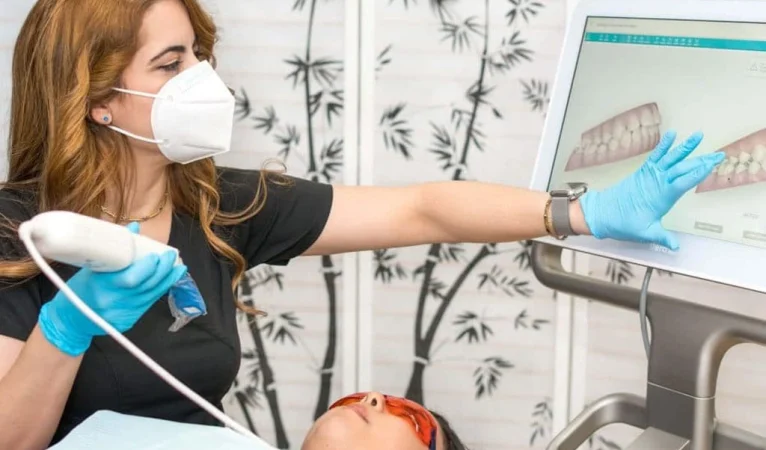
Choosing the right braces can help you achieve a straighter smile, improve your bite, and support better oral health. Today, patients have several orthodontic options, ranging from traditional metal braces to clear aligners. Each treatment offers different benefits depending on your dental concerns, lifestyle, and personal preferences. If you are exploring braces north miami beach, understanding these options can help you make an informed decision.
An orthodontist can examine your teeth, evaluate your bite, and recommend a treatment that meets your needs. Whether you want a discreet solution or a reliable option for complex dental problems, learning about the available treatments is an excellent first step.
What Are Traditional Metal Braces, and Who Can Benefit From Them?
Traditional metal braces remain one of the most popular orthodontic treatments. They use metal brackets attached to the teeth and a wire that gradually guides teeth into their correct positions. Your orthodontist adjusts the wire during regular appointments to maintain progress.
Metal braces can treat many orthodontic concerns, including crowded teeth, gaps, crooked teeth, and bite problems. They provide precise control over tooth movement, making them suitable for children, teenagers, and adults.
These braces also offer a dependable option for patients who need comprehensive orthodontic correction. Although the brackets remain visible, modern designs often feature smaller, more comfortable components than older systems.
Patients who choose traditional braces should maintain good oral hygiene, avoid hard or sticky foods, and attend scheduled adjustment appointments. Following these instructions helps protect the braces and supports successful treatment.
Are Ceramic Braces a Good Choice for a More Discreet Smile?
Ceramic braces offer an alternative for patients who want effective orthodontic treatment without highly visible metal brackets. They use tooth-colored or clear brackets that blend more naturally with the teeth.
Like traditional metal braces, ceramic braces use wires to move teeth gradually into their desired positions. They can correct several alignment and bite concerns while offering a less noticeable appearance.
Adults and older teenagers often prefer ceramic braces because they can feel more confident during work, school, social events, and everyday activities.
However, ceramic brackets may cost more than metal braces and require careful maintenance. The brackets can stain or become damaged if patients neglect oral hygiene or eat foods that place excessive pressure on them.
Your orthodontist can explain whether ceramic braces suit your dental needs and compare their advantages with other available options.
How Do Self-Ligating Braces Work?
Self-ligating braces use a built-in clip or sliding mechanism to hold the orthodontic wire in place. Unlike conventional braces, they generally do not require elastic ties to secure the wire.
This design may make certain adjustments easier and can simplify some aspects of cleaning. Depending on the system and treatment plan, patients may also experience differences in appointment schedules and comfort.
Self-ligating braces come in metal and ceramic versions, giving patients additional choices based on their appearance preferences.
However, self-ligating braces do not automatically guarantee faster treatment or fewer appointments. The duration of orthodontic care depends on factors such as the severity of misalignment, the patient’s response to treatment, and the complexity of the required tooth movements.
An orthodontic consultation can help determine whether this system offers meaningful benefits for your particular case.
What Are Lingual Braces, and Why Do Some Patients Prefer Them?
Lingual braces provide another option for patients who want a discreet orthodontic treatment. Instead of attaching brackets to the front surfaces of the teeth, an orthodontist places them on the inner surfaces.
This placement makes lingual braces difficult to see when you smile or speak. They can correct various alignment problems while keeping the orthodontic appliances hidden from view.
Professionals and adults who want a less noticeable treatment may appreciate this approach.
However, lingual braces can require a longer adjustment period. Some patients experience temporary speech changes, tongue irritation, or difficulty eating while they adapt. These systems may also cost more and require an orthodontist with specialized training.
Your orthodontist can assess your bite, tooth shape, and treatment goals to determine whether lingual braces are an appropriate choice.
Is Invisalign a Better Alternative to Traditional Braces?
Clear aligners provide a removable alternative to fixed braces. Many patients researching miami Invisalign want to straighten their teeth while maintaining a natural-looking smile throughout treatment.
Invisalign treatment uses a series of custom-made, transparent plastic aligners. Each set applies controlled pressure to move the teeth gradually. Patients switch to new aligners according to their orthodontist’s instructions as treatment progresses.
Clear aligners offer several advantages:
- Discreet appearance: Transparent material makes the aligners less noticeable than many fixed braces.
- Removability: Patients can remove the aligners before eating, drinking anything other than water, and brushing their teeth.
- Convenient oral hygiene: Removable trays allow patients to brush and floss without working around brackets and wires.
- Everyday flexibility: Patients can enjoy most foods without worrying about damaging fixed orthodontic appliances.
However, Invisalign requires discipline. Patients typically need to wear their aligners for 20 to 22 hours each day, following their provider’s instructions. Forgetting to wear them consistently can delay progress.
Clear aligners can correct many mild to moderate orthodontic concerns, and some more complex cases may also qualify. However, they are not suitable for every patient. An orthodontist must evaluate your teeth and bite before recommending this treatment.
Which Type of Braces Is Best for Children and Teenagers?
Children and teenagers can benefit from different types of braces depending on their dental development and orthodontic needs.
Traditional metal braces often work well for younger patients because they can address a wide range of alignment problems. Ceramic braces may appeal to teenagers who prefer a less noticeable appearance.
Clear aligners can also suit responsible teenagers who can follow daily wear instructions and keep track of their trays. However, younger patients may need additional guidance to maintain consistent wear.
An orthodontist can determine the appropriate treatment timing by examining tooth development, jaw growth, spacing, and bite alignment. Early evaluation can help identify concerns before they become more complicated.
Parents should also consider their child’s ability to maintain oral hygiene, follow dietary recommendations, and attend regular appointments.
What Factors Should You Consider Before Choosing Braces in North Miami Beach?
Selecting the right braces involves more than comparing appearance and price. Consider the following factors before beginning treatment.
- Your orthodontic needs: Crowding, gaps, overbites, underbites, and other alignment problems may require different approaches.
- Your budget: Treatment costs vary according to the appliance, case complexity, treatment duration, and included services. Ask for a detailed estimate and available payment options.
- Your lifestyle: Consider whether you prefer removable aligners or fixed braces that work continuously without daily removal.
- Your oral hygiene routine: Every orthodontic option requires consistent cleaning, but removable aligners and fixed braces have different maintenance requirements.
- Your orthodontist’s experience: Choose a qualified professional who can explain your options, monitor your progress, and address concerns throughout treatment.
At Ivanov Orthodontic Experts, patients can explore orthodontic treatment options and discuss their smile goals with a dental professional. A personalized assessment helps determine which approach best fits their dental needs and expectations.
How Can You Get Started With the Right Orthodontic Treatment?
Finding the right braces starts with a comprehensive orthodontic evaluation. During your consultation, your orthodontist can examine your teeth, assess your bite, review relevant dental records, and explain the available treatment options.
Ask questions about expected treatment duration, appointment frequency, oral hygiene, costs, and possible limitations. Understanding these details helps you choose a treatment that fits your goals and daily routine.
Patients searching for braces north miami beach should focus on finding a treatment that balances effectiveness, comfort, appearance, and affordability. Whether you choose traditional metal braces, ceramic braces, lingual braces, self-ligating braces, or clear aligners, following your orthodontist’s recommendations remains essential.
Ivanov Orthodontic Experts can be a starting point for discussing your orthodontic concerns and learning which treatment options may suit your smile. With the right professional guidance and consistent care, you can work toward healthier alignment and a smile you feel confident sharing.