Collecting with Confidence: How to Appreciate Vintage Furniture and Decorative Design
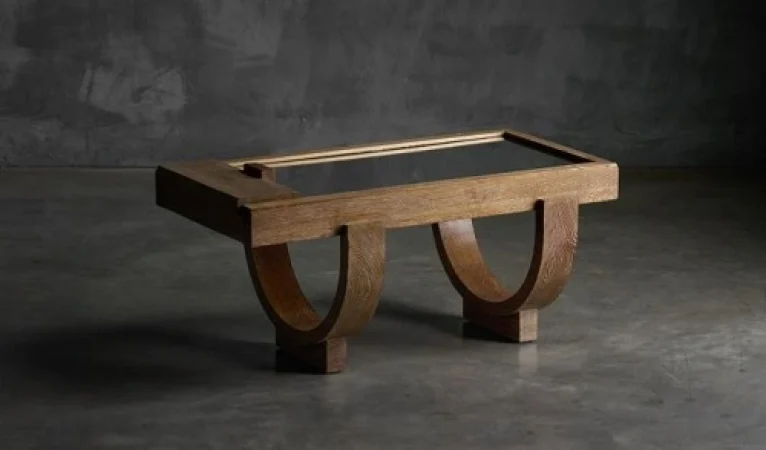
The world of vintage furniture offers an opportunity to bring history, craftsmanship, and individuality into contemporary interiors. From beautifully constructed wooden furniture to expressive decorative objects, pieces from the 20th century can reveal changing ideas about design, materials, technology, and everyday life.
For anyone beginning a collection, the process is as much about education as acquisition. Learning how to identify quality, understand historical context, and assess condition can make every purchase more meaningful. In Antwerp, Belgium, Goldwood by Boris represents a design-focused approach to discovering furniture and decorative objects from this influential period.
Understanding What Makes Vintage Furniture Interesting
Not every older piece has the same significance. Age is only one element of a furniture object’s story. Design, craftsmanship, materials, originality, provenance, and condition can all contribute to its appeal.
The 20th century is particularly interesting because it witnessed enormous changes in furniture production. Designers increasingly experimented with industrial manufacturing while continuing to draw upon traditional craftsmanship. New materials allowed for shapes and construction methods that would previously have been difficult or impossible to achieve.
As a result, collectors can encounter an extraordinary variety of styles, from restrained modernist furniture to expressive postwar and postmodern designs.
Learning to Look at Materials
Materials often provide important clues about how an object was made. Wood grain, veneer, metalwork, glass, upholstery, and surface finishes can all tell part of a piece’s story.
For example, carefully selected timber and detailed joinery may demonstrate a strong emphasis on craftsmanship. Metal components can reveal how designers responded to industrial production, while moulded plastics and synthetic materials can reflect the technological optimism associated with particular periods.
Developing an understanding of materials also helps collectors appreciate why two objects that appear superficially similar may have very different qualities.
Why Provenance Can Add Context
The history of an object can make collecting particularly engaging. Provenance may include previous ownership, original documentation, labels, manufacturer information, or references to exhibitions and publications.
However, not every vintage object comes with a complete documented history. Responsible collecting means distinguishing between verified information and assumptions. When information is uncertain, it is better to acknowledge that uncertainty than to create an elaborate story around an object.
This approach encourages trust and allows collectors to appreciate a piece based on what can genuinely be established.
Condition and Responsible Restoration
Vintage furniture naturally shows signs of its journey through time. Surface wear, small marks, changes in finish, or subtle variations in colour may contribute to its character.
At the same time, condition should be assessed carefully. Structural issues, replaced components, extensive refinishing, or alterations can affect both appearance and historical integrity.
Restoration can sometimes help preserve a piece for continued use, but thoughtful intervention should respect the original design and materials wherever possible. For collectors, understanding what has been repaired, replaced, or preserved is an important part of evaluating an object.
Designing Interiors Around Individual Pieces
A vintage object does not need to dictate an entire interior. In many contemporary homes, a carefully selected historical piece works best when surrounded by modern elements.
A sculptural chair can provide contrast in a simple living room. An unusual sideboard can introduce warmth into an architectural space. A distinctive lamp or decorative object can create a focal point without dominating the room.
This approach allows different periods to coexist naturally. Rather than reproducing a specific historical interior, collectors can use individual pieces to create spaces that feel personal and layered.
Developing a Personal Collection
Collecting becomes more rewarding when it reflects genuine curiosity. Some enthusiasts concentrate on a particular designer, country, decade, material, or design movement. Others prefer to build a varied collection based on form and craftsmanship.
There is no requirement to follow a single style. A collector might appreciate Scandinavian simplicity alongside Italian experimentation or combine understated furniture with expressive decorative pieces.
The important factor is developing an informed eye. Visiting exhibitions, studying design publications, examining original objects, and speaking with knowledgeable specialists can gradually deepen appreciation.
Discovering Design in Antwerp
Antwerp’s connection to art, architecture, fashion, and design provides a stimulating setting for exploring collectible furniture. Within this environment, Goldwood by Boris contributes to the conversation surrounding 20th-century furniture, vintage design, and decorative objects.
For those researching the business and its background, the name boris devis may also appear in connection with Goldwood by Boris. Exploring the people and ideas behind specialist businesses can provide another layer of context when learning about the collecting world.
A specialist perspective can be particularly helpful when an object has unusual construction, a distinctive design history, or details that require closer examination. Clear descriptions and transparent information give collectors a stronger foundation for making their own informed decisions.
Collecting Beyond Trends
Trends can influence the visibility of particular designs, but collecting does not have to be dictated by short-term popularity. A well-made piece with an engaging design can remain meaningful regardless of changing fashions.
This is one of the enduring attractions of 20th-century furniture. Many objects were created with a clear relationship between form and function, allowing them to remain useful while also carrying historical and aesthetic significance.
For new collectors, the best starting point may simply be to slow down and observe. Look at construction, study materials, research the designer, consider condition, and ask what makes a piece distinctive.
Over time, these habits can transform a casual interest in vintage furniture into a deeper appreciation of design history. With thoughtful research and a respect for craftsmanship, collecting becomes a way to preserve, experience, and reinterpret the visual culture of the 20th century within today’s interiors.