How Can You Identify the Early Signs of Basement Flooding?
Basement flooding can start with a small warning that many homeowners overlook. A little moisture near a wall, a damp smell, or a small puddle may seem harmless at first. However, these signs can indicate a larger water problem that may quickly damage flooring, walls, furniture, insulation, and electrical systems.
Learning how to identify the early signs of basement flooding helps you act before the damage becomes severe. Regular inspections and quick action can protect your property and reduce costly repairs.
What Causes Basement Flooding?
Several issues can allow water to enter a basement. Heavy rain can overwhelm drainage systems and cause water to move toward the foundation. Poor grading around the property can also direct water toward basement walls instead of away from the house.
Blocked gutters and downspouts create another common problem. When rainwater cannot drain properly, it can collect around the foundation and eventually seep inside. Cracks in foundation walls or floors may also provide an easy path for groundwater.
Plumbing leaks, damaged sump pumps, burst pipes, and sewer backups can cause sudden flooding. Understanding these causes makes it easier to recognize potential warning signs before your basement becomes seriously damaged.
What Does a Damp Smell Tell You?
A musty or damp smell often provides one of the earliest clues. You may notice an unusual odor before you see visible water. Moisture creates an ideal environment for mold and mildew, especially in areas with poor ventilation.
Do not ignore a persistent damp smell. Check around basement walls, floors, storage areas, and plumbing fixtures. If the odor continues, investigate the source quickly.
Early detection can prevent a small moisture problem from developing into extensive basement flooding.
Can Wall Stains Indicate Water Problems?
Yes. Brown, yellow, or dark stains on basement walls can indicate previous or ongoing water intrusion. You may notice stains around cracks, windows, pipes, or the lower sections of walls.
Peeling paint and bubbling wallpaper can also signal moisture behind the surface. Water can weaken drywall and cause finishes to separate from the wall.
Inspect these areas regularly, especially after heavy rainfall. A new stain deserves immediate attention because it may indicate that water continues to enter the basement.
Why Should You Watch for Cracks?
Foundation cracks deserve careful attention. Small hairline cracks do not always indicate serious structural problems, but they can allow moisture to enter.
Look for cracks that appear wet, dark, or wider than before. You should also watch for water trails running downward from cracks.
If you notice several new cracks or significant changes, contact a qualified professional for an inspection. Addressing the source early can help prevent larger water-related problems.
What Does a Wet Basement Floor Mean?
A wet basement floor provides a clear warning that water has entered your property. Even a small puddle requires attention, particularly if you cannot identify where the water came from.
Check areas around floor drains, sump pumps, washing machines, water heaters, and exterior walls. Water may travel across the floor from another location, so the visible puddle may not show the actual source.
If the water appears repeatedly after rainfall, your drainage or foundation may need attention.
How Can You Recognize a Sump Pump Problem?
A sump pump plays an important role in keeping many basements dry. If it stops working, groundwater can accumulate quickly.
Test your sump pump regularly. Make sure it has power and that the discharge pipe allows water to flow away from the property. Strange noises, frequent cycling, or failure to activate can indicate a problem.
A backup pump or battery backup system can provide additional protection during storms and power outages.
What Should You Do If “My Basement Is Flooded”?
If you suddenly think, “my basement is flooded,” prioritize safety before attempting cleanup. Do not enter standing water if electrical equipment, outlets, or appliances may be submerged. Turn off electricity only if you can do so safely from a dry location. Otherwise, contact a qualified electrician or emergency professional.
Next, identify the likely source of the water if you can do so without entering an unsafe area. A burst pipe, overflowing drain, failed sump pump, or stormwater intrusion may require different solutions.
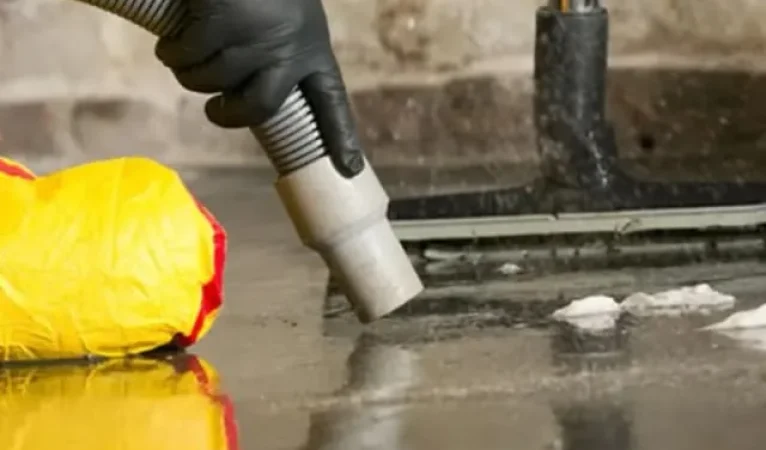
Remove valuable belongings from unaffected areas and contact a professional water damage restoration company as soon as possible. Fast action can limit the spread of moisture and reduce secondary damage.
Can Doors and Windows Show Early Warning Signs?
Basement windows and doors can reveal water problems before major flooding occurs. Look for condensation, damp frames, water stains, peeling paint, or moisture around window wells.
Window wells can collect rainwater when drains become blocked. If water remains around the window, it can eventually seep through gaps or damaged seals.
Check basement doors for damp thresholds and swelling. Wooden doors can absorb moisture and become difficult to open or close.
Why Should You Check Your Gutters and Downspouts?
Your gutter system directs rainwater away from your foundation. When gutters become clogged with leaves and debris, water can overflow and collect close to the basement walls.
Downspouts should discharge water far enough away from the foundation to reduce the risk of water entering the basement. Inspect them before and during rainy seasons.
Keeping gutters clean is a simple preventive step that can significantly reduce the likelihood of water entering your basement.
How Can You Prevent Basement Flooding?
Prevention starts with regular inspections. Check your foundation, sump pump, plumbing, gutters, downspouts, windows, and floor drains throughout the year.
You can also improve drainage around the property by ensuring the ground slopes away from the foundation. Repair visible cracks and damaged seals promptly.
If your property has experienced flooding before, consider professional waterproofing or drainage improvements. These solutions can address recurring moisture problems instead of simply treating the visible damage.
When Should You Call a Professional?
You should seek professional assistance when water continues to return, flooding covers a large area, sewage enters the basement, or structural components show signs of damage.
Professionals can identify the source, remove standing water, dry affected materials, and assess potential mold growth. They can also recommend measures to reduce the chance of future flooding.
Ideal Response can help homeowners respond quickly when water damage threatens their property. Acting promptly can make the restoration process easier and help protect your home from long-term moisture damage.
What Should You Remember About Early Warning Signs?
The key to preventing serious basement damage lies in recognizing small problems early. Musty odors, wall stains, foundation cracks, wet floors, condensation, and sump pump problems can all provide important warnings.
Do not wait until water covers the floor before taking action. Inspect your basement regularly and respond to moisture as soon as you notice it.
If you ever find yourself saying, “my basement is flooded,” focus on safety, stop the water source when possible, and seek professional assistance quickly.
Early detection gives you a better opportunity to limit damage, protect your belongings, and restore your basement efficiently. Ideal Response can support homeowners through the restoration process and help address water damage before it creates more serious problems.