Pigeon Control Beaumont: Effective Ways to Protect Your Property from Bird Damage
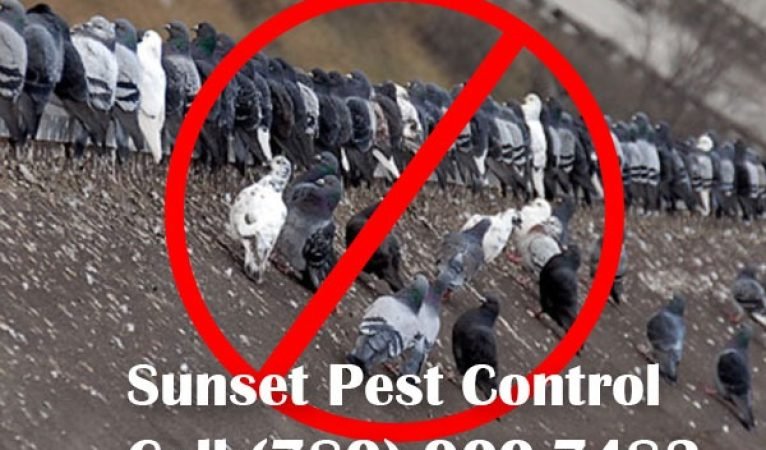
Pigeons are a common sight in urban and suburban communities, but when they begin nesting on homes or commercial buildings, they can quickly become more than just a nuisance. From blocked gutters to property damage and sanitation concerns, unmanaged pigeon activity can create ongoing maintenance challenges. Understanding the value of pigeon control Beaumont property owners can rely on is an important step toward protecting buildings while encouraging humane wildlife management practices.
This guide explores why pigeons choose certain properties, the risks associated with nesting, practical prevention methods, and when professional bird control services may be appropriate.
Why Pigeons Are Attracted to Buildings
Pigeons naturally seek elevated, sheltered locations that offer protection from predators and harsh weather. Modern buildings often provide ideal nesting sites through architectural features such as ledges, rooflines, balconies, and covered entryways.
Common attractions include:
- Roof overhangs
- Open attic vents
- Window ledges
- Warehouse beams
- Parking structures
- Food waste near commercial properties
- Accessible water sources
Once pigeons establish a nesting location, they often return repeatedly unless effective prevention measures are implemented.
Common Problems Caused by Pigeons
Although pigeons are part of many urban environments, large populations around buildings can lead to several maintenance issues.
Property Damage
Bird droppings contain acidic compounds that may gradually damage roofing materials, painted surfaces, metal structures, and masonry when allowed to accumulate.
Blocked Drainage Systems
Nesting materials, feathers, and debris can clog gutters and roof drains, increasing the risk of water damage during heavy rainfall.
Increased Cleaning Requirements
Balconies, sidewalks, storefronts, and outdoor equipment may require frequent cleaning when pigeons regularly roost nearby.
Noise and Nesting Activity
Large pigeon populations can create constant noise while nesting around rooftops, vents, and building ledges.
Signs You May Need Pigeon Control Beaumont Services
Recognizing bird activity early makes prevention much easier.
Common warning signs include:
- Repeated pigeon sightings on rooftops
- Nesting materials around vents or ledges
- Large accumulations of droppings
- Feathers collecting near entryways
- Birds entering roof spaces
- Frequent roosting during the day
Addressing these signs early helps reduce the likelihood of long-term nesting.
Humane Approaches to Pigeon Control Beaumont
Modern pigeon control Beaumont strategies focus on discouraging birds from nesting rather than causing harm. Humane bird management emphasizes exclusion, habitat modification, and long-term prevention.
Bird Netting
Protective netting can prevent pigeons from accessing large open spaces such as loading docks, warehouses, balconies, and covered parking structures.
Bird Spikes
Bird spikes discourage pigeons from landing on ledges, roof edges, signs, and other flat surfaces without injuring the birds.
Entry Point Exclusion
Sealing openings around rooflines, vents, and building gaps helps prevent pigeons from nesting inside structures.
Habitat Modification
Reducing food availability and removing nesting materials encourages pigeons to relocate naturally.
Preventing Future Pigeon Problems
Property maintenance plays a major role in preventing recurring bird activity.
Keep Outdoor Areas Clean
Regularly remove food waste, spilled bird seed, and standing water that may attract pigeons.
Maintain Roof Structures
Inspect roofs, gutters, flashing, and vents to identify areas where birds could gain access.
Remove Nesting Materials Promptly
Where legally permitted and appropriate, removing inactive nesting materials helps discourage repeat occupancy.
Schedule Routine Building Inspections
Regular inspections allow property owners to identify early signs of bird activity before larger colonies become established.
When Professional Bird Control May Be Needed
Some pigeon problems can be difficult to resolve without specialized equipment or experience.
Professional bird control services may be appropriate when:
- Birds repeatedly return after basic prevention efforts
- Nesting occurs in difficult-to-reach locations
- Commercial buildings experience persistent roosting
- Roof access presents safety concerns
- Multiple exclusion methods are required
Experienced professionals can assess the property and recommend solutions that prioritize long-term prevention while complying with applicable wildlife regulations.
Benefits of Long-Term Bird Management
An effective bird management plan provides several ongoing advantages.
These may include:
- Reduced property maintenance
- Improved building appearance
- Protection of roofing systems
- Lower cleaning costs
- Reduced drainage blockages
- Better overall property hygiene
Combining preventive maintenance with humane exclusion methods often delivers the most sustainable results.
Tips for Property Owners
Property owners can significantly reduce pigeon activity through simple maintenance habits.
Helpful practices include:
- Inspect roofs seasonally.
- Repair damaged vents promptly.
- Keep gutters clean.
- Eliminate unnecessary food sources.
- Monitor balconies and ledges regularly.
- Address bird activity before nesting becomes established.
Early intervention is generally more effective than attempting to manage large, established pigeon populations.
Conclusion
Persistent pigeon activity can create maintenance challenges for both residential and commercial properties. Understanding why birds are attracted to buildings, recognizing early warning signs, and implementing humane prevention strategies are essential steps toward protecting your investment.
Professional pigeon control Beaumont services can help identify nesting locations, recommend effective exclusion methods, and develop long-term prevention plans tailored to individual properties. By combining routine maintenance with responsible bird management practices, property owners can reduce recurring problems while maintaining a clean, safe, and well-maintained environment.