The Art of Timeless Interiors: Where Iconic Design Meets Modern Living
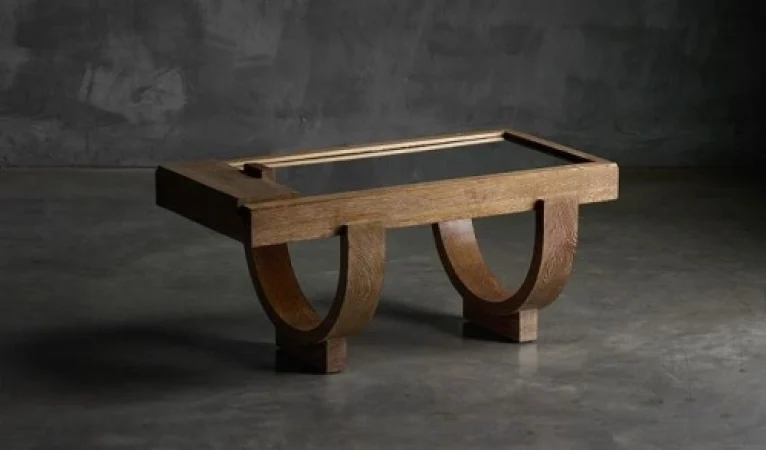
A beautifully designed interior is more than a collection of attractive objects. It is a carefully composed environment where architecture, furniture, materials, and personal expression work together. The most memorable spaces often draw inspiration from the past while embracing the needs of contemporary living. This philosophy has been shaped by legendary designers including Charlotte Perriand, Jean Prouvé, Afra & Tobia Scarpa, Mario Bellini, and Pierre Jeanneret.
Today, their influence can be seen in interiors that prioritize authenticity, craftsmanship, functionality, and distinctive character. This approach turns furniture into Functional Art, where every piece has a practical purpose while also contributing to the visual identity of a room.
Designing With Purpose
The strongest furniture designs are created with a clear understanding of how people interact with their surroundings. Charlotte Perriand was renowned for exploring the relationship between furniture and everyday life. Her work demonstrated that functional objects could be elegant, comfortable, and visually sophisticated at the same time.
Jean Prouvé approached furniture from a different perspective, combining engineering knowledge with a strong interest in industrial production. His designs reveal how structural honesty and innovative materials can create pieces that remain both practical and aesthetically compelling decades later.
This combination of purpose and design is particularly relevant in modern interiors. Instead of filling rooms with unnecessary objects, contemporary spaces increasingly focus on fewer, more meaningful pieces that can define an entire environment.
The Language of Italian Design
Italian design has contributed enormously to the evolution of modern furniture. The work of Afra & Tobia Scarpa demonstrates how craftsmanship, experimentation, and comfort can be integrated into sophisticated furniture forms. Their designs often balance refined materials with organic shapes, creating pieces that feel luxurious without becoming excessive.
Another influential figure is Mario Bellini, whose work challenged traditional ideas about furniture and living spaces. The famous Camaleonda is a prime example of modular design becoming an architectural element within the home. Its generous proportions and flexible composition allow users to create different arrangements while maintaining a strong sculptural presence.
This type of furniture is particularly effective in open-plan interiors, where a sofa or lounge system can define zones without relying on walls or partitions.
Celebrating the Beauty of Wood
Wood remains one of the most expressive materials in furniture design. The philosophy associated with Nakashima placed particular emphasis on respecting the natural character of timber. Instead of concealing knots, grains, and organic imperfections, his approach transformed them into defining features.
The result is furniture that feels connected to nature and craftsmanship. Each surface tells a story, making every piece visually individual. In contemporary interiors, natural wood can also introduce warmth and balance into spaces dominated by stone, glass, metal, or neutral architectural finishes.
The work of Pierre Jeanneret offers another valuable lesson in the importance of proportion and construction. His furniture demonstrates how simple geometric forms can possess a powerful visual identity when combined with thoughtful detailing and balanced proportions.
A Modern Approach to Curated Interiors
The design philosophy of boris devis reflects an appreciation for this rich history while looking toward contemporary possibilities. As a Boris Devis designer, his approach connects collectible design, craftsmanship, and modern interior styling to create environments with a distinct personality.
Rather than following temporary trends, the concept behind Goldwood by Boris furniture is rooted in the idea that well-designed pieces should remain relevant for years. Quality materials, considered silhouettes, and strong craftsmanship allow furniture to become part of an interior’s long-term identity.
This philosophy is also evident in Goldwood by Boris interiors, where furniture is considered alongside architecture, lighting, artwork, and materials. The objective is not simply to create a visually impressive room, but to establish an environment that feels balanced and authentic.
Antwerp’s Contemporary Design Culture
The connection between design and place is especially important when considering Goldwood by Boris Antwerp. Antwerp has a strong reputation for creativity, fashion, architecture, and visual arts, providing an inspiring environment for contemporary furniture and interior concepts.
Within this context, traditional craftsmanship can be combined with modern aesthetics to create spaces that feel sophisticated yet personal. A carefully selected collection of furniture can transform a room from a generic setting into an environment with its own narrative.
Creating Interiors With Character
A well-curated Goldwood by Boris collection can bring together different eras, materials, and design philosophies without creating visual confusion. The key is finding common elements—proportion, craftsmanship, material quality, and functionality—that allow individual pieces to complement one another.
This is where Functional Art becomes especially powerful. A sculptural chair can provide comfort, an impressive table can become a gathering point, and a beautifully constructed cabinet can provide storage while acting as an architectural feature.
The enduring appeal of designers such as Charlotte Perriand, Jean Prouvé, Afra & Tobia Scarpa, Mario Bellini, Nakashima, and Pierre Jeanneret proves that meaningful design can transcend trends. Their ideas continue to influence how modern spaces are furnished and experienced.
Ultimately, exceptional interiors are created through thoughtful choices rather than excess. By combining timeless references, exceptional materials, and contemporary sensibility, furniture can become more than decoration—it can become part of the story of a space. Goldwood by Boris embraces this perspective, presenting design as a meeting point between functionality, craftsmanship, history, and modern living.