When Should You Call a Professional for Emergency Water Cleanup?
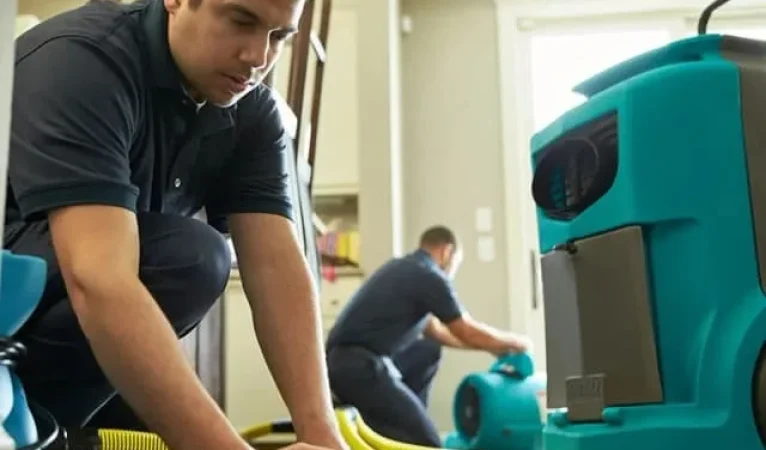
Water damage can happen without warning and quickly turn into a serious problem for homeowners and business owners. A burst pipe, overflowing toilet, leaking appliance, or heavy rainfall can allow water to spread throughout a property in minutes. Acting quickly helps protect your belongings, reduce structural damage, and prevent mold growth. However, knowing when to handle a small spill yourself and when to call a professional can make a significant difference.
Professional emergency water cleanup services help remove standing water, dry affected areas, and identify hidden moisture before it causes further damage. If you need reliable water damage repair Vancouver services, understanding the warning signs can help you make informed decisions and protect your property.
1. When Should You Call Professionals for Emergency Water Cleanup?
You should contact a professional as soon as water enters your property in large amounts or spreads beyond a small, manageable area. Quick action becomes especially important when water affects flooring, drywall, insulation, ceilings, or electrical systems.
For example, a burst pipe can release gallons of water into a room before you notice the problem. Water can also travel beneath flooring and behind walls, where it remains hidden even after the visible surface appears dry.
Professional technicians use specialized equipment to extract water, measure moisture levels, and dry affected materials. They also assess the extent of the damage and recommend appropriate restoration steps.
If you notice widespread flooding, persistent leaks, soaked carpets, or water spreading between rooms, contact an emergency cleanup team rather than waiting for the damage to worsen.
2. What Signs Indicate That Your Property Needs Immediate Water Cleanup?
Some warning signs clearly indicate that you need professional assistance. Recognizing these problems early can help you avoid expensive repairs.
Look for the following signs:
- Standing water: Water collects in basements, kitchens, bathrooms, or other living spaces.
- Wet walls and ceilings: Paint bubbles, drywall softens, or ceiling materials begin to sag.
- Persistent dampness: Floors, carpets, and furniture remain wet after you remove visible water.
- Musty odors: Damp areas develop unpleasant smells that may indicate hidden moisture or mold growth.
- Discolored surfaces: Brown stains, peeling paint, or warped flooring suggest ongoing water exposure.
- Recurring leaks: Water returns after temporary repairs or continues spreading through the property.
Do not ignore these signs simply because the water appears limited. Moisture can penetrate porous materials and damage areas that you cannot easily inspect.
3. Why Should You Avoid Delaying Professional Water Damage Repair in Vancouver?
Delaying repairs can allow a manageable water problem to develop into a major restoration project. Water gradually weakens building materials, damages personal belongings, and creates conditions that support mold growth.
For instance, wet drywall can lose its strength, while hardwood flooring may swell, buckle, or separate. Moisture trapped beneath carpets and inside wall cavities can also remain long after the surface dries.
Prompt water damage repair Vancouver services help identify affected areas and establish an effective drying plan. Restoration professionals assess the source of the water, remove excess moisture, and determine which materials require cleaning, repair, or replacement.
Early intervention may reduce the extent of damage and help control restoration costs. It also allows technicians to identify problems that a quick household cleanup might miss.
4. When Does Water Damage Become a Safety Emergency?
Some water damage situations require immediate attention because they threaten your safety. Never treat every flood or leak as an ordinary cleaning task.
Call emergency professionals when you experience:
- Water near electrical outlets, wiring, electrical panels, or appliances.
- A ceiling that bulges or sags under accumulated water.
- Floodwater entering your basement or lower floors.
- Water that may contain sewage, chemicals, or other contaminants.
- A burst pipe that continues releasing water and threatens nearby rooms.
- Flooding that compromises flooring, stairs, or other structural elements.
If water reaches electrical equipment, stay away from the affected area. Do not touch wet switches or attempt to unplug submerged appliances. Leave the area and contact emergency services or a qualified electrician when necessary.
Similarly, avoid entering floodwater when you cannot determine its depth, cleanliness, or potential electrical hazards. Your safety should always come before property recovery.
5. How Can Professional Emergency Water Cleanup Prevent Mold Growth?
Mold can develop when moisture remains inside a property for an extended period. Damp drywall, carpets, insulation, and wooden materials can provide suitable conditions for growth.
Professional emergency water cleanup addresses moisture at its source. Technicians use water extraction equipment, commercial air movers, and dehumidifiers to remove excess water and accelerate drying.
They may also use moisture meters and thermal imaging tools to locate damp areas behind walls or beneath flooring. These tools help technicians identify hidden problems before they become more difficult to manage.
If mold has already appeared, professionals can assess the affected areas and recommend suitable remediation. They may need to remove severely damaged materials and clean contaminated surfaces using appropriate procedures.
You can support the drying process by removing wet items when it is safe, improving ventilation when conditions permit, and avoiding unnecessary contact with contaminated materials. However, household fans alone may not adequately dry waterlogged building components.
6. What Should You Do Before the Water Cleanup Team Arrives?
Your actions during the first few minutes can help limit damage. Start by identifying the water source, but only if you can do so safely.
Follow these practical steps:
- Stop the water supply: Shut off the main water valve if a plumbing leak causes the problem and the valve is safely accessible.
- Protect people and pets: Keep everyone away from flooded areas, electrical hazards, and unstable structures.
- Move valuable belongings: Relocate important documents, electronics, and furniture only when the area is safe.
- Document the damage: Take photographs or videos of affected rooms and belongings for insurance purposes, provided you can do so without risk.
- Contact a professional: Explain the water source, affected areas, and any immediate safety concerns.
- Avoid unnecessary repairs: Do not remove structural materials or attempt complicated electrical or plumbing work without proper qualifications.
If sewage or contaminated floodwater enters your property, avoid direct contact and leave cleanup to appropriately equipped professionals.
7. How Do You Choose the Right Water Damage Restoration Company?
Choosing a qualified restoration company helps you manage the cleanup process with greater confidence. Look for a provider that offers emergency response, professional water extraction, moisture detection, and structural drying.
Ask whether the company has experience handling the type of damage affecting your property. Confirm that its technicians follow appropriate safety procedures and explain the restoration process clearly.
You should also request a written estimate, understand the expected timeline, and ask which services the quote includes. If you plan to make an insurance claim, keep photographs, receipts, and copies of communications with the restoration team.
A dependable provider such as Ideal Response can help property owners understand the cleanup process and determine the next steps after water damage. Always verify the services available, response times, and restoration plan before proceeding.
8. How Can You Reduce the Risk of Future Water Damage?
Although you cannot prevent every water emergency, regular maintenance can lower your risk.
Inspect plumbing connections, washing machine hoses, water heaters, and visible pipes for signs of leaks. Clean gutters and downspouts regularly so rainwater drains away from your property. Check basement walls for damp patches and ensure your sump pump works correctly if your property relies on one.
Consider installing leak detectors near appliances and plumbing fixtures. These devices can alert you to unwanted water before a small leak becomes a larger problem.
You should also understand where your main water shutoff valve is located and keep emergency contact details readily available. These simple preparations can help you respond faster when a problem occurs.
Conclusion: When Is the Right Time to Call for Emergency Water Cleanup?
The right time to call a professional is as soon as water damage becomes widespread, reaches building materials, creates a safety concern, or continues despite your initial efforts. Quick action helps limit moisture exposure, protect belongings, and reduce the risk of long-term damage.
Professional emergency water cleanup services can address visible flooding while identifying hidden moisture that ordinary cleaning may overlook. If you need water damage repair Vancouver services, choose a qualified team that can assess the damage, remove water, dry affected areas, and guide you through restoration.
With timely action and the right professional support, you can protect your property and restore a safer, healthier indoor environment. Ideal Response can be a starting point when exploring professional water damage restoration options for your property.