
How Do Nursing Home Builders Ensure Safety and Comfort for Residents?
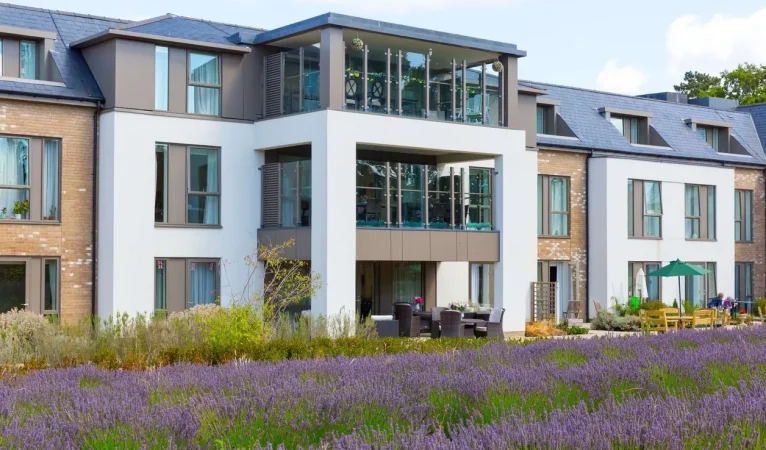
When planning a care facility, safety and comfort are the top priorities. Nursing home builders play a critical role in creating environments where residents feel secure, supported, and at home. But how exactly do these experts achieve this balance? In this guide, we explore the strategies, designs, and materials used by professional care home building contractors to ensure that every resident thrives in a safe and comfortable setting.
What Safety Standards Do Nursing Home Builders Follow?
Safety is the cornerstone of any care home. Nursing home builders adhere to strict building codes and health regulations to protect residents from accidents and hazards. This begins with structural safety, ensuring that the foundation, walls, and roof meet local and national building standards. Care Home Building Contractors conduct risk assessments to identify potential safety threats before construction begins.
Fire safety is another critical component. Builders install smoke detectors, fire alarms, and sprinkler systems throughout the facility. Emergency exits are clearly marked, easily accessible, and wide enough to accommodate wheelchairs and walkers. In addition, anti-slip flooring is used in hallways, bathrooms, and kitchens to prevent falls—a leading cause of injury among older adults.
Electrical and plumbing systems are designed with safety in mind. Wiring is concealed and secured to reduce the risk of electric shock, while plumbing fixtures are installed to prevent scalding or water leakage. Nursing home builders also integrate backup generators to maintain essential services during power outages, ensuring that residents’ medical equipment continues to function without interruption.
How Do Care Home Building Contractors Optimize Accessibility?
Accessibility is a key aspect of both safety and comfort. Professional nursing home builders design spaces that accommodate residents with varying mobility levels. Hallways are wide enough for walkers and wheelchairs, while doorways are often designed without thresholds to prevent trips and falls.
Ramps and elevators replace or complement staircases to ensure residents can move freely between floors. Bathrooms are equipped with grab bars, raised toilet seats, and walk-in showers with non-slip mats. Some care home building contractors even install adjustable beds and accessible sinks to provide residents with maximum independence while maintaining safety.
Lighting also plays a vital role. Well-lit corridors and rooms reduce accidents, while motion-sensor lights help residents navigate the facility at night without relying on manual switches. Care Home Builders often incorporate natural lighting as well, which not only improves safety but also supports residents’ mental well-being.
What Role Does Ergonomic Design Play in Comfort?
Comfort in a care home is about more than soft furniture and cozy décor. Nursing home builders use ergonomic design principles to reduce strain and enhance mobility. Seating, beds, and tables are chosen to support posture and minimize discomfort. For residents with limited mobility, furniture may include adjustable heights and supportive cushions to ease movement.
Temperature control is another critical comfort factor. Care Home Building Contractors install HVAC systems that maintain consistent indoor temperatures and improve air quality. This helps prevent respiratory problems and creates a welcoming environment for residents year-round.
Acoustic comfort is also considered. Soundproofing materials are integrated into walls and ceilings to minimize noise from hallways, equipment, and communal areas. Quiet, peaceful spaces support mental health, reduce stress, and contribute to overall comfort.
How Are Technology Solutions Integrated for Safety?
Modern nursing home builders rely on technology to enhance both safety and comfort. Surveillance cameras monitor common areas and entrances, ensuring security without compromising privacy. Emergency call systems allow residents to request immediate assistance from staff, and wearable devices can track movement, heart rate, and other health indicators in real time.
Automated lighting, heating, and even door systems reduce the need for residents to perform potentially hazardous tasks. Care Home Building Contractors often include smart home features that can be controlled by staff remotely, ensuring rapid response during emergencies.
Additionally, technology integration extends to staff communication. Centralized monitoring systems alert caregivers to falls, unusual activity, or medical emergencies, allowing for faster intervention and better resident care.
What Interior Design Choices Enhance Resident Well-Being?
A care home’s interior design significantly influences comfort and mental health. Nursing home builders focus on creating a warm, welcoming atmosphere that feels more like home than a clinical facility. Color schemes, furniture, and décor are chosen to be calming and visually appealing.
Common areas are designed to encourage social interaction, while private rooms offer residents quiet spaces to rest. Natural elements like plants, sunlight, and outdoor views are incorporated to reduce stress and boost mood. Flooring choices, such as cushioned vinyl or carpet with anti-slip backing, provide both comfort and safety.
Soft furnishings, such as armchairs, recliners, and beds with pressure-relief mattresses, are carefully selected to support older adults and residents with mobility issues. Care Home Builders ensure that every element balances functionality with aesthetics, maintaining a space that is both safe and comforting.
How Do Nursing Home Builders Address Outdoor Safety and Accessibility?
Outdoor spaces are vital for resident well-being. Nursing home builders design gardens, walking paths, and seating areas that are safe, accessible, and therapeutic. Paths are wide, smooth, and free of obstacles, with handrails and benches placed strategically for rest.
Lighting and surveillance systems ensure outdoor safety, while shaded areas protect residents from sun exposure. Water features, plants, and sensory gardens enhance comfort and provide engaging experiences. Outdoor design also considers wheelchair accessibility, with ramps and smooth pathways connecting all areas of the property.
How Do Builders Collaborate with Staff and Residents for Safety?
Effective care home design requires collaboration. Care Home Building Contractors often consult with nursing staff, therapists, and even residents themselves during the planning and construction phases. Input from staff ensures that workflows, storage, and equipment placement support daily routines safely and efficiently. Resident feedback helps builders understand comfort needs, personal preferences, and mobility challenges, allowing for a tailored design.
Training is also considered. Builders ensure that facilities include spaces for staff to learn and practice emergency protocols, proper lifting techniques, and resident care procedures. By integrating these requirements into the building design, nursing home builders enhance both resident safety and staff efficiency.
How Are Emergency Preparedness Measures Incorporated?
Preparedness for emergencies is a critical aspect of nursing home safety. Care Home Building Contractors design facilities with multiple exits, fire suppression systems, and backup power solutions. Safety drills are facilitated by clear signage, accessible alarm systems, and designated assembly points.
In addition, storage areas for emergency supplies, such as first-aid kits, oxygen tanks, and evacuation equipment, are strategically located throughout the facility. These measures ensure residents receive timely assistance in case of natural disasters, medical emergencies, or fire incidents.
How Do Care Home Builders Balance Safety With a Home-Like Environment?
Perhaps the most challenging task for nursing home builders is balancing rigorous safety standards with comfort and a home-like atmosphere. Excessive safety features can make a facility feel institutional, while too little compromises resident welfare. Care Home Builders achieve this balance through thoughtful design, using concealed safety measures, warm lighting, and personalized spaces to maintain a welcoming feel.
Furniture and décor are selected not just for safety, but also for aesthetics and comfort. Flooring materials prevent falls yet feel soft underfoot. Handrails can be designed as artistic elements, and emergency systems are integrated discreetly. This thoughtful approach ensures residents enjoy both security and dignity.
Conclusion: Why Professional Nursing Home Builders Matter
Professional nursing home builders play a vital role in creating environments where safety and comfort coexist seamlessly. By combining regulatory compliance, ergonomic design, technology integration, and aesthetic considerations, Care Home Builders craft spaces that support residents’ physical, mental, and emotional well-being.
For families seeking a secure and nurturing environment for their loved ones, selecting experienced Care Home Building Contractors ensures a facility that prioritizes both safety and quality of life. With careful planning, attention to detail, and a focus on resident-centered design, nursing home builders create more than just buildings—they create homes where seniors can thrive with dignity and comfort.