
Why do experts recommend the Autoimmune Protocol Diet for autoimmune disease management?
Managing autoimmune diseases can feel overwhelming, especially when symptoms flare without warning. Over the years, health professionals, nutritionists, and functional medicine experts have increasingly recommended the Autoimmune Protocol Diet as a natural and holistic approach for managing autoimmune conditions. But why does this diet stand out? What makes it so effective for reducing inflammation, supporting gut health, and helping the body regain balance? Let’s explore in detail.
Understanding the Foundation of the Autoimmune Protocol Diet
Experts believe that most autoimmune diseases share common triggers—chronic inflammation, increased gut permeability, food sensitivities, environmental stressors, and immune system dysregulation. The Autoimmune Protocol Diet directly targets these root causes.
Unlike standard diets, the AIP approach focuses on temporarily removing foods that are known to cause inflammation or irritate the gut. Later, these foods are reintroduced carefully to identify what specifically triggers symptoms. This targeted elimination and reintroduction process creates a personalized nutrition plan that supports long-term autoimmune wellness.
Restoring Gut Health: The Core of Autoimmune Healing
Experts often emphasize gut health because nearly 70% of the immune system resides in the digestive tract. When the gut lining becomes compromised—often called a “leaky gut”—particles like toxins, bacteria, and undigested food can escape into the bloodstream. This can trigger the immune system to overreact, worsening autoimmune symptoms.
The Autoimmune Protocol Diet encourages foods that help repair the gut lining, such as:
- Bone broth
- Fermented vegetables
- High-quality proteins
- Healthy fats
- Fresh vegetables rich in antioxidants
By prioritizing these nourishing foods, the diet creates an environment where the gut can heal, which in turn helps calm autoimmune activity. Many experts say that without addressing gut health, autoimmune symptoms often persist or worsen.
Reducing Chronic Inflammation Naturally
Inflammation is at the heart of every autoimmune disease. While short-term inflammation protects the body, chronic inflammation leads to tissue damage, fatigue, pain, and long-term health complications.
The AIP diet eliminates foods commonly associated with inflammation, such as:
- Processed sugar
- Gluten
- Dairy
- Grains
- Legumes
- Seed oils
- Nightshades such as tomatoes, peppers, and eggplants
Experts recommend temporarily removing these foods to give the immune system a chance to reset. Once inflammation levels drop, many people experience reduced joint pain, improved energy, better skin health, and more stable moods.
Supporting Nutrient Density for Stronger Immunity
Another reason experts recommend the Autoimmune Protocol Diet is its focus on nutrient-dense whole foods. Many autoimmune patients suffer from nutrient deficiencies that worsen symptoms and slow down healing. The AIP diet includes foods rich in vitamins A, D, E, K, magnesium, zinc, and omega-3 fatty acids.
These nutrients play a vital role in:
- Hormone regulation
- Energy production
- Tissue repair
- Immune function
- Mental clarity
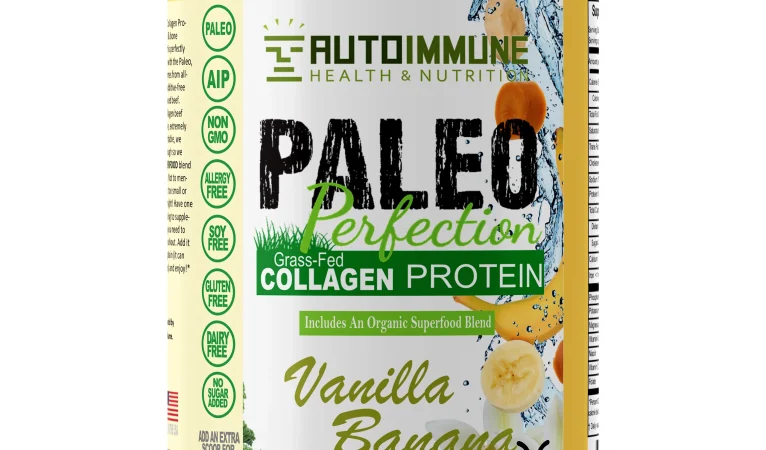
For individuals who struggle to meet protein needs due to food restrictions, high-quality supplements like AIP Protein Powder can help fill the gap. These powders support muscle repair and energy levels without triggering inflammation, making them a trusted option among dieticians and health coaches.
Identifying Personal Food Triggers
One of the biggest advantages of the AIP approach is personalization. Autoimmune diseases are complex, and triggers vary from person to person. What affects one individual may not affect another.
During the reintroduction phase of the Autoimmune Protocol Diet, foods are added back slowly and carefully. This method helps individuals understand exactly which foods cause flare-ups. Experts appreciate this scientific, step-by-step approach because it:
- Prevents unnecessary long-term food restrictions
- Helps people design a sustainable diet
- Improves quality of life
- Reduces fear and confusion around eating
Enhancing Emotional Well-Being
Autoimmune diseases do not just affect the body—they affect the mind. Chronic pain, fatigue, and unpredictable symptoms often create stress, anxiety, and emotional burnout.
The AIP diet encourages mindful eating, stress management, adequate sleep, and gentle movement like yoga or walking. Experts highlight these lifestyle elements because they work synergistically with dietary changes to reduce immune system overactivity.
This holistic combination creates a calmer, more balanced internal environment, which is essential for long-term healing.
Real-Life Improvements Backed by Growing Research
While research on the AIP diet is still expanding, several studies and patient experiences show promising results. Individuals following the Autoimmune Protocol Diet report:
- Less joint and muscle pain
- Improved digestion
- Better sleep
- Increased energy
- Clearer skin
- Reduced inflammatory markers
- Fewer autoimmune flare-ups
Even though results vary, the overall trend is consistently positive, which explains why more experts are recommending this approach for autoimmune disease management.
Conclusion: A Diet That Empowers Healing
Experts recommend the Autoimmune Protocol Diet because it addresses autoimmune disease at its roots—gut health, inflammation, nutrient deficiencies, and immune system imbalance. By combining nutrient-dense foods, lifestyle support, and a structured reintroduction process, the AIP approach empowers people to take control of their symptoms naturally.