
Creating Inspiring Green Spaces: Smart Planning for Modern Garden Centers
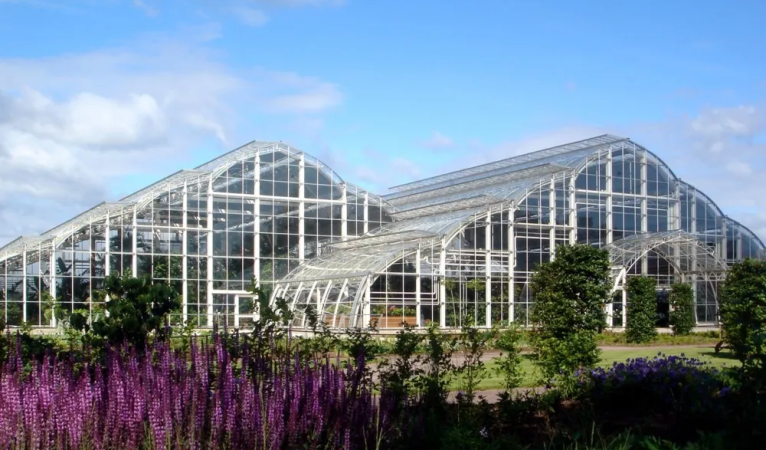
Designing a garden center today is about much more than placing plants on shelves. A successful space must inspire visitors, guide them naturally through different sections, and encourage longer stays that often translate into higher sales. Thoughtful planning, customer psychology, and visual harmony all play a key role in creating a memorable experience. Two of the most important concepts shaping modern green spaces are Garden Center layout design and Indoor botanical garden design, both of which help transform ordinary retail areas into destinations people love to revisit.
Understanding Customer Flow and Experience
At the heart of any effective garden center is a layout that feels intuitive. Visitors should be able to navigate the space without confusion, discovering products naturally as they move along. A well-planned Garden Center layout design considers clear entry points, wide walkways, and logical transitions between sections such as outdoor plants, indoor plants, tools, décor, and seasonal features. This approach reduces congestion, improves safety, and makes the shopping experience more enjoyable.
Customers often enter a garden center looking for one item and leave with several more. Strategic placement of high-interest displays near entrances and along main pathways encourages impulse purchases while still feeling organic. Seating areas, shaded spots, and focal displays help slow down foot traffic, giving visitors time to explore and connect emotionally with the space.
Blending Retail and Nature Seamlessly
Modern consumers value experiences as much as products. This is where Indoor botanical garden design becomes a powerful tool. By integrating lush greenery, water features, and curated plant collections inside the garden center, you create an immersive environment that feels more like a botanical retreat than a retail store. This not only enhances visual appeal but also builds trust, as customers see healthy plants thriving in a well-maintained setting.
Indoor botanical elements can be used to define zones within the store. For example, tropical plants paired with humidity control and soft lighting can form a distinct area, while succulents and cacti can be showcased in brighter, minimalist sections. This zoning approach supports effective Garden Center layout design while making navigation intuitive and engaging.
Lighting, Materials, and Atmosphere
Lighting plays a critical role in shaping perception. Natural light is ideal, but when it’s limited, layered artificial lighting can replicate daylight and highlight plant textures and colors. Warm lighting near décor and lifestyle products creates a welcoming feel, while brighter, focused lighting over plant displays supports plant health and visual clarity. In Indoor botanical garden design, lighting is not just functional—it’s part of the storytelling.
Materials such as wood, stone, metal, and glass help reinforce a natural yet modern aesthetic. Sustainable materials, in particular, resonate with environmentally conscious customers. When these elements are used consistently throughout the space, they strengthen the overall Garden Center layout design and brand identity.
Educational and Interactive Elements
Today’s garden centers are also learning spaces. Informational signage, demonstration areas, and workshop corners add value and keep customers engaged. Integrating these features into your Garden Center layout design ensures they feel like a natural part of the journey rather than an afterthought.
Incorporating educational displays within an Indoor botanical garden design allows customers to learn about plant care, ecosystems, and sustainability while being surrounded by living examples. This approach builds confidence in buyers, especially beginners, and positions the garden center as a trusted authority rather than just a retailer.
Seasonal Flexibility and Long-Term Growth
A smart layout is adaptable. Seasonal changes, new product lines, and trends require spaces that can evolve without major redesigns. Modular fixtures, movable displays, and flexible zones ensure your Garden Center layout design remains efficient year-round. Indoor botanical areas can also be refreshed seasonally, keeping the environment dynamic and encouraging repeat visits.
This is where expert guidance can make a significant difference. Professionals like Garden Center Advice understand how to balance aesthetics, functionality, and business goals. By aligning Indoor botanical garden design with long-term planning, garden centers can grow sustainably while maintaining a fresh, inspiring atmosphere.
Creating a Destination, Not Just a Store
Ultimately, the goal is to create a place people want to spend time in. A thoughtfully executed Garden Center layout design paired with immersive Indoor botanical garden design turns a simple shopping trip into an experience. Customers feel relaxed, inspired, and more connected to nature, which strengthens loyalty and word-of-mouth recommendations.
With the right planning, materials, and vision—supported by insights from Garden Center Advice—a garden center can become a true destination. By focusing on flow, atmosphere, and engagement, you create a green space that benefits both your customers and your business for years to come.