
Can kurti manufacturers replicate trending kurti designs?
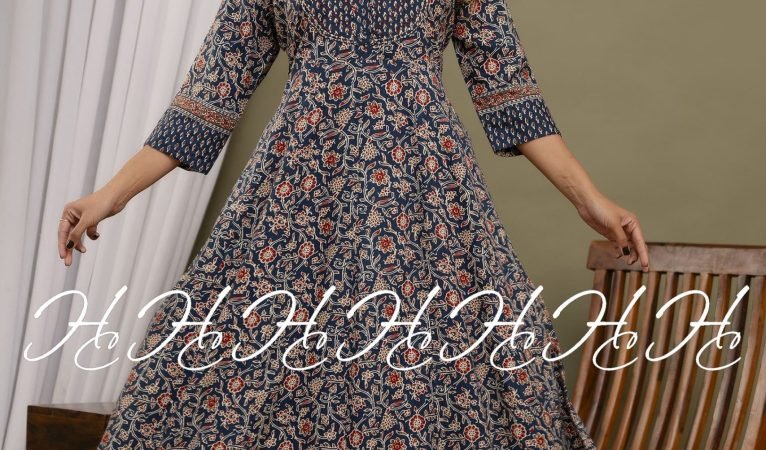
In today’s fast-paced fashion industry, trends change rapidly, and staying updated is crucial for retailers and boutiques. This raises a common question: can kurti manufacturers replicate trending kurti designs? The short answer is yes, but the process involves skill, resources, and a deep understanding of market demands. Branded kurtis manufacturers in Jaipur, for example, have developed sophisticated systems to keep up with the latest styles while maintaining quality and affordability.
Kurti manufacturers play a significant role in bringing trending designs from fashion shows, social media, and influencer posts to the retail market. These manufacturers have the technical expertise, access to diverse fabrics, and a skilled workforce capable of creating pieces that closely resemble popular designs. They analyze patterns, embroidery styles, color combinations, and fabric choices to produce kurtis that meet consumer expectations.
One key factor that allows kurti manufacturers to replicate trending designs is their access to various fabrics. Cotton kurtis, for example, are highly popular due to their comfort and versatility. Cotton kurti wholesale suppliers often work with manufacturers to ensure that these fabrics are available in bulk, enabling quick production without compromising on quality. Whether it’s printed cotton, embroidered cotton, or blended cotton fabrics, manufacturers ensure they have the right material to match the style trend accurately.
The design replication process begins with research. Kurti manufacturers monitor social media platforms like Instagram, Pinterest, and fashion blogs to identify emerging trends. Once a particular style gains traction, the design team studies the pattern details, color palette, and embellishment techniques. Skilled artisans then create sample pieces, which undergo multiple revisions until they perfectly capture the essence of the trending design. Branded kurtis manufacturers in Jaipur often take pride in their ability to produce these samples quickly, helping retailers launch new collections in sync with current trends.
Customization is another area where kurti manufacturers excel. Retailers often request minor modifications in trending designs, such as adjusting sleeve lengths, neckline shapes, or embroidery styles. Experienced manufacturers can implement these changes without compromising the overall design. This flexibility is particularly beneficial for small boutiques or online sellers who want exclusive variations of popular designs. By offering this level of customization, manufacturers ensure that their clients remain competitive in a market driven by fashion trends.
Efficiency in production is crucial when replicating trending designs. Since fashion trends have a limited lifespan, manufacturers must work swiftly to deliver bulk orders. Cotton kurti wholesale suppliers facilitate this by providing fabrics in large quantities at competitive prices, ensuring that production does not face delays due to material shortages. Many leading branded kurtis manufacturers in Jaipur have invested in modern machinery and skilled teams to speed up embroidery, stitching, and finishing processes, making it possible to meet tight deadlines without sacrificing quality.
However, replicating trends also requires balancing originality and legal considerations. While manufacturers can create kurtis inspired by popular designs, ethical practices dictate that they avoid exact copies of copyrighted patterns or designer-exclusive creations. Instead, they focus on producing similar styles with unique twists that appeal to the mass market. This approach allows retailers to offer trendy kurtis while respecting intellectual property rights, maintaining a reputation for quality and integrity.
Cost is another important factor in replicating trending kurti designs. While premium fabrics and intricate embroidery can increase production expenses, manufacturers who work with cotton kurti wholesale suppliers can keep costs manageable. Bulk procurement of fabrics, coupled with efficient production techniques, allows manufacturers to offer competitive pricing without compromising on design quality. This balance ensures that retailers and boutiques can stock fashionable kurtis that appeal to their customers’ preferences while staying within budget.
Moreover, technology has revolutionized how kurti manufacturers replicate trends. Digital printing, automated embroidery machines, and computer-aided design (CAD) software allow manufacturers to accurately reproduce complex patterns and motifs. By leveraging these tools, branded kurtis manufacturers in Jaipur can replicate trending designs faster and with higher precision, ensuring that the final product meets market expectations.
Customer feedback also plays a vital role. Retailers often share insights about what sells well and which styles are gaining traction. Manufacturers use this feedback to refine their production processes, adjust designs, and introduce improvements in future batches. This collaborative approach ensures that trending designs are not only replicated accurately but also aligned with consumer demand, maximizing sales potential.
In conclusion, kurti manufacturers can indeed replicate trending designs, thanks to their expertise, access to quality fabrics, and efficient production methods. Branded kurtis manufacturers in Jaipur have demonstrated remarkable capabilities in quickly adapting to fashion trends while ensuring quality, originality, and affordability. By partnering with cotton kurti wholesale suppliers, they maintain a steady supply of materials, enabling rapid production of trending styles. Retailers and boutiques can rely on these manufacturers to keep their collections up-to-date, offering customers the latest designs without delays. Ultimately, the combination of skilled artisans, advanced technology, and a deep understanding of market trends empowers kurti manufacturers to transform fleeting fashion inspirations into tangible, stylish kurtis for the mass market.