
How Do Restoration Companies Perform Ceiling Drying Safely?
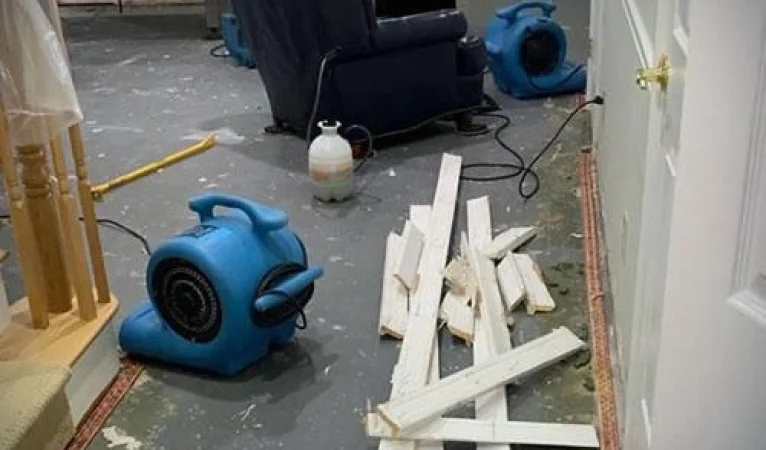
Water damage in homes and commercial properties can be a nightmare, especially when it affects ceilings and walls. Timely restoration is crucial not only to preserve the structure but also to prevent health hazards such as mold growth. Restoration companies specialize in techniques like ceiling drying and wet wall drying to address water intrusion safely and efficiently. At Structural Drying Australia, professionals use advanced technology, precise methods, and strict safety protocols to ensure the property is restored without further damage.
Why Is Ceiling Drying Important?
When ceilings become wet due to leaks, flooding, or plumbing failures, they can weaken structurally, pose a risk of collapse, and encourage mold growth. Ceiling drying is not just about removing visible water; it is about extracting moisture trapped within the ceiling materials such as plaster, drywall, or wood. Restoration companies understand the unique challenges associated with ceilings because water can accumulate in hidden spaces, including cavities above suspended ceilings or between insulation layers.
By performing ceiling drying properly, restoration specialists prevent secondary damage like peeling paint, sagging ceilings, and long-term structural deterioration. Additionally, effective drying reduces the likelihood of health issues caused by damp environments, such as respiratory problems and allergic reactions.
How Do Experts Assess Water Damage Before Ceiling Drying?
Before beginning the drying process, a thorough assessment is essential. Professionals from Structural Drying Australia first inspect the affected areas using moisture meters, infrared cameras, and hygrometers. These tools detect hidden moisture in ceilings and walls that might not be visible to the naked eye.
Identifying the type of water damage—whether it is clean water from a burst pipe or contaminated water from flooding—is crucial for safety and for determining the appropriate drying method. Additionally, the assessment considers the material composition of the ceiling and adjacent structures to select the most effective equipment and techniques for ceiling drying and wet wall drying.
What Safety Measures Are Taken During Ceiling Drying?
Safety is a top priority during ceiling drying because working on elevated surfaces with electrical hazards or water-soaked materials can be dangerous. Restoration professionals follow strict protocols to protect themselves and the occupants:
-
Electrical Safety: Power is turned off in the affected area to prevent electrocution. Professionals check for live wires and ensure equipment is properly grounded.
-
Personal Protective Equipment (PPE): Technicians wear gloves, safety goggles, hard hats, and sometimes respirators to prevent contact with contaminated water or mold spores.
-
Structural Stability Checks: Wet ceilings can collapse under their own weight. Experts inspect load-bearing components to confirm stability before accessing the area.
-
Proper Ventilation: Ceiling drying often requires dehumidifiers and air movers. Adequate ventilation ensures that moisture-laden air is safely expelled without spreading contaminants.
What Techniques Are Used in Ceiling Drying?
Restoration companies use a combination of specialized tools and techniques to dry ceilings efficiently:
-
Air Movers and Dehumidifiers: High-powered air movers direct airflow across wet surfaces, while dehumidifiers extract moisture from the air. This combination accelerates drying without causing excessive heat that could damage materials.
-
Injectidry Systems: These systems blow warm air into cavities behind ceilings and walls, targeting moisture in hidden spaces. They are particularly effective for wet wall drying and preventing mold growth inside walls.
-
Moisture Monitoring: Continuous monitoring ensures ceilings are drying at the correct rate. Technicians measure moisture content daily to adjust equipment and airflow as needed.
-
Surface Preparation: Before drying, damaged materials like wet insulation or sagging drywall may be removed to enhance airflow and prevent microbial growth.
How Do Restoration Companies Perform Wet Wall Drying Safely?
Wet wall drying is often more complex than ceiling drying because water can penetrate deep into wall cavities, baseboards, and flooring junctions. Professionals start by identifying the source of water and stopping further intrusion. They may use wall cavity access points or drill small holes in non-visible areas to introduce drying systems.
Safety precautions during wet wall drying include avoiding structural compromise, preventing cross-contamination with other areas, and using PPE to handle potentially contaminated materials. Advanced equipment, like negative pressure air systems, ensures that moisture and potential mold spores do not spread to unaffected areas.
How Long Does Ceiling and Wet Wall Drying Take?
The duration of ceiling drying depends on several factors: the type of water, the extent of saturation, the ceiling material, and environmental conditions such as temperature and humidity. Typically, drying can take anywhere from 24 hours to several days. Continuous monitoring ensures that both visible and hidden moisture is completely removed.
Wet wall drying may take longer because walls can trap water deep within cavities. Restoration experts adjust airflow, dehumidification, and sometimes heat injection to target these hidden pockets effectively. Consistent monitoring prevents premature cessation of drying, which could lead to long-term damage or mold growth.
What Are the Benefits of Professional Ceiling and Wet Wall Drying?
Choosing professional restoration companies for ceiling and wall drying provides multiple benefits:
-
Prevent Structural Damage: Proper drying preserves the integrity of ceilings, walls, and other structures.
-
Mold Prevention: Efficient drying reduces moisture that could support mold growth, ensuring a healthier indoor environment.
-
Cost Efficiency: Early intervention reduces the need for extensive repairs, saving homeowners and businesses money.
-
Safety Assurance: Trained professionals follow protocols that protect both the property and occupants.
-
Peace of Mind: Knowing that restoration is handled by experts like Structural Drying Australia ensures that water damage is managed quickly and effectively.
How Can Property Owners Help During Ceiling and Wet Wall Drying?
While restoration companies handle the technical aspects, property owners can support the process by:
-
Clearing furniture and valuables away from affected areas.
-
Avoiding tampering with drying equipment.
-
Monitoring for unusual signs such as sagging ceilings or persistent odors and reporting them promptly.
-
Ensuring pets and children stay away from work zones for safety.
Collaboration between property owners and restoration professionals enhances the effectiveness and speed of drying.
Conclusion: Why Expert Ceiling and Wet Wall Drying Matters
Water damage can be devastating, but timely and professional intervention makes a significant difference. Restoration companies employ advanced technology, proven techniques, and stringent safety measures to perform ceiling drying and wet wall drying effectively.
By relying on experts like Structural Drying Australia, property owners can ensure their homes or businesses are restored safely, structurally sound, and free from hidden moisture issues. Proper drying not only prevents costly repairs but also safeguards the health of everyone in the property. For any water damage situation, professional ceiling and wall drying is the safest, most reliable solution.